20% OFF shipping at packinghousewines.com on orders over $79 + up to 10% OFF products
/eh/2025-01-08/173633966714069467/picture.png)

/eh/2024-12-24/173503345348979036/Favorite-Icon.png)
/eh/2025-07-08/1751962110204480194/picture.png)
/eh/2025-06-21/1750485478958537574/countryInfoIcon.png)
/eh/2025-06-21/1750485741321434291/Hi-Sign-in-My-Nihao.png)
/eh/2025-06-21/1750485837193896318/cart.png)
/eh/2025-06-21/1750485968202533847/cart.png)
/eh/2025-04-17/1744862476612819675/hot-img.png)
/eh/2025-11-07/1762504524550532584/header-icon.jpg)
/eh/2025-07-07/1751875582852206790/header-icon.png)
/eh/2025-07-07/1751875587886277738/header-icon.png)
home
>
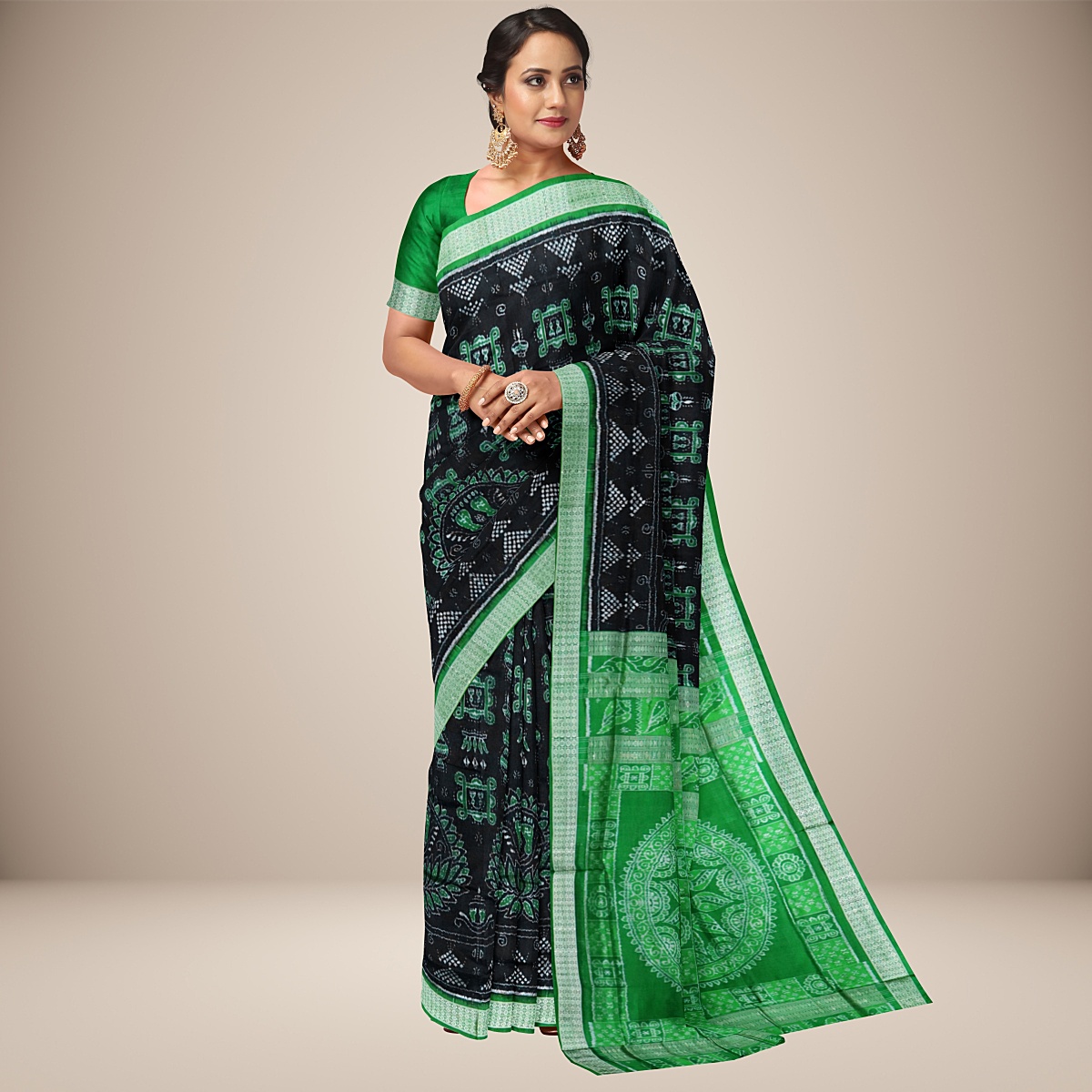
Handwoven Silk | Body Bandha Sambalpuri Saree - Dark Forest Green Colour
>
Handwoven Silk | Body Bandha Sambalpuri Saree - Dark Forest Green Colour




download picture
description
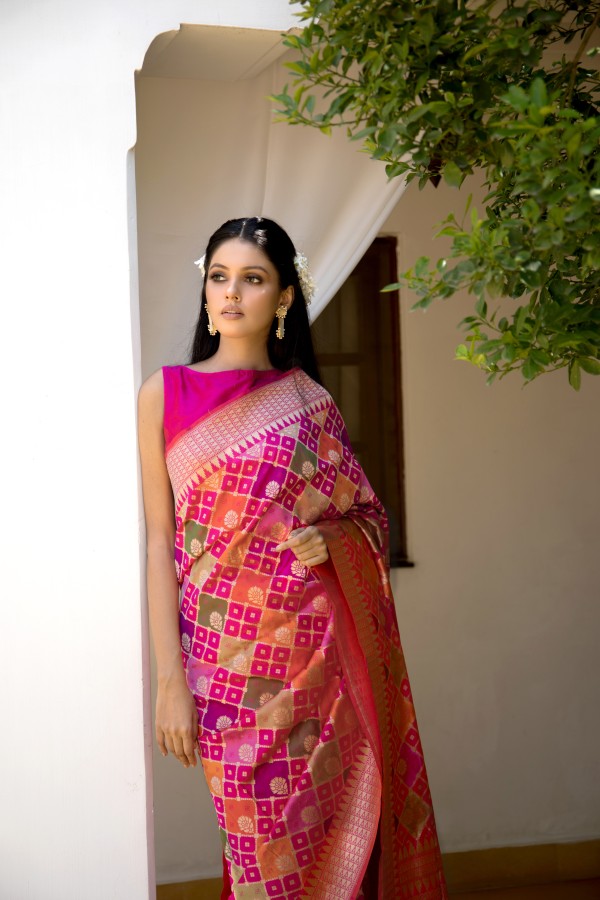
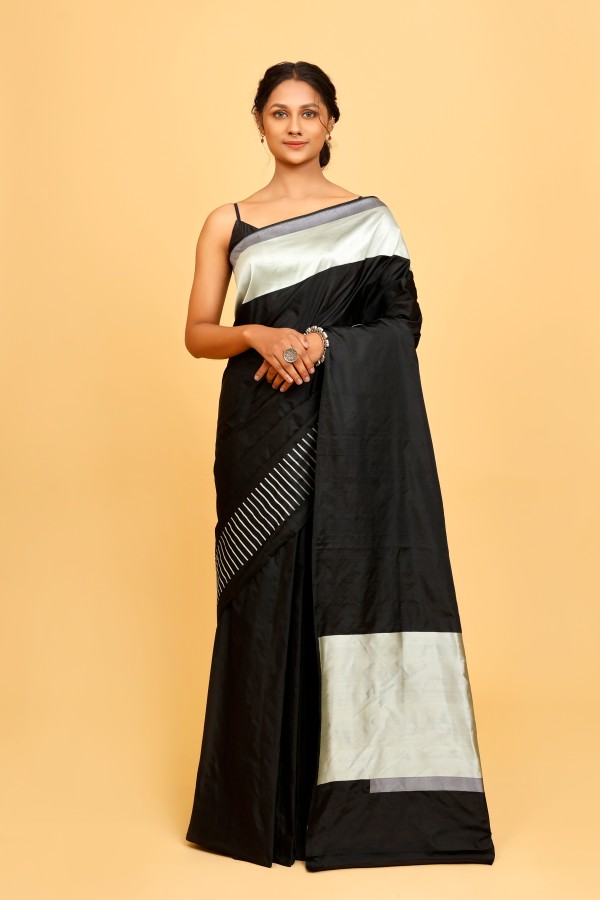
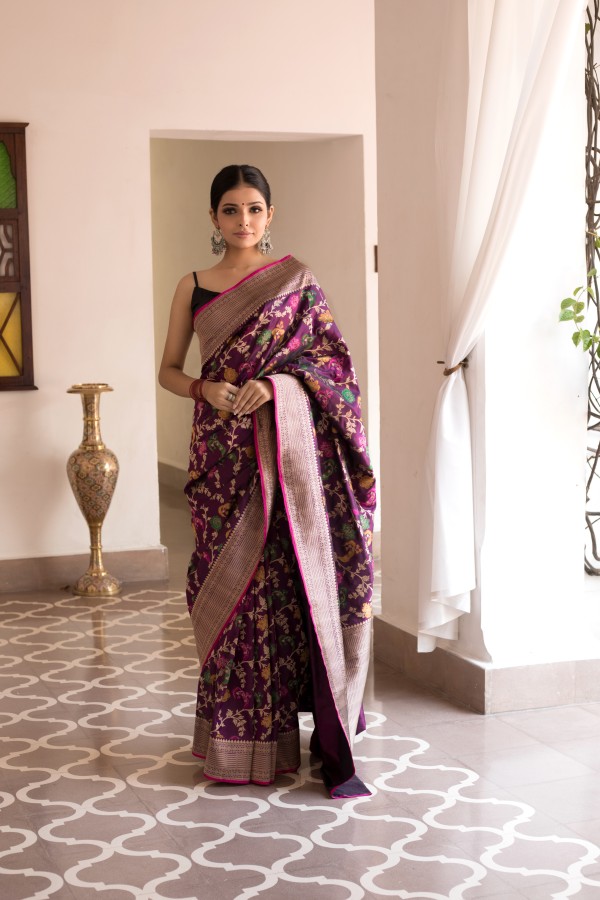
Plain Bandha Pattern Pata Saree In Silver And Dark Maroon Colour Buy Sheer Elegance. Exclusive Handwoven Resham Silk Saree Pastel Traditional Ikat Bandha Sambalpuri Silk Saree Utkalika Odisha Handwoven Blue colour banarasi Silk saree Weavers Home Handwoven Silk Sarees. The Sambalpuri Silk Saree is a masterpiece of Odishas rich handloom tradition, woven with exquisite craftsmanship and deep cultural significance. Crafted by skilled artisans in Sambalpur, Bargarh, Sonepur, and nearby weaving clusters, these sarees are known for their intricate Ikat (Bandha) weaving technique, where each thread is carefully dyed before weaving to create mesmerizing, long lasting patterns. Unlike printed designs, the motifs in a Sambalpuri Silk Saree are woven directly into the fabric, making each piece unique and timeless. Made from premium quality mulberry or Tussar silk, these sarees offer a luxurious feel with a soft, smooth drape. The intricate designs draw inspiration from Odishas rich heritage, featuring motifs like shankha (conch), chakra (wheel), phula (flowers), and temple borders, symbolizing spirituality and prosperity. The vibrant color combinations and intricate detailing make these sarees perfect for festivals, weddings, and special occasions. Every authentic Sambalpuri Silk Saree is handwoven on traditional looms, a process that takes weeks or even months to complete. These sarees hold a Geographical Indication (GI) tag, ensuring authenticity and preserving the heritage of Odishas weaving tradition. By choosing a handwoven Sambalpuri Silk Saree, you support sustainable fashion, rural artisans, and ethical craftsmanship. PRODUCT SPECIFICATION Category Saree Type Handwoven Body Bandha Sambalpuri Silk Saree Fabric Silk Colour Green Design Dark Forest Green Colour Body with Tribal Design, Heavy Work Maroon Colour Aanchal Saree Dimension 6. 20 Mt x 1. 17 Mt Saree Weight 449 gm Blouse Unstitched Loom Handwoven Taalapatra Saree Series RUKMINI STORY BEHIND THIS CRAFT Sambalpuri Silk Sarees are emblematic of Odisha's rich textile heritage, renowned for their intricate craftsmanship and cultural significance. The origins of these sarees trace back to the 12th century during the reign of the Chauhan dynasty in western Odisha. It is believed that the art of Sambalpuri Ikat was introduced to the region by the Bhulia community, who migrated from Northern India after the fall of the Chouhan Empire in 1192 AD. This community brought with them the Ikat technique, locally known as Bandha, which involves tie dyeing the yarns before weaving, resulting in unique patterns that are identical on both sides of the fabric. These designs are not merely decorative but also reflect the weavers' connection to their cultural roots and the natural world. The weaving process is labor intensive and time consuming, often taking several weeks to complete a single saree. This meticulous craftsmanship ensures that each Sambalpuri Silk Saree is a unique piece of art, embodying the dedication and skill of the artisans. The sarees gained national prominence when the late Prime Minister Indira Gandhi started wearing them, leading to increased popularity across India in the 1980s and 1990s. Today, Sambalpuri Silk Sarees are celebrated not only for their aesthetic appeal but also as symbols of Odisha's enduring cultural legacy. By choosing these sarees, one supports the traditional artisans and contributes to the preservation of a centuries old art form that continues to thrive in the modern era. CRAFTSMANSHIP & THE WEAVING PROCESS Each Sambalpuri Silk Saree is entirely handwoven using the traditional Ikat (Bandha) technique, a meticulous process that requires precision, patience, and skill. The weaving involves several stages, ensuring that every saree is unique and long lasting. Yarn Selection & Preparation High quality silk threads are carefully selected for their strength, sheen, and durability. The raw yarns are then washed and treated to ensure smooth weaving. Tie Dyeing (Ikat Bandha Process) The most intricate step, where artisans tie sections of the yarn with threads and then dye them in multiple stages. This resist dyeing technique ensures that the patterns emerge naturally during weaving, rather than being printed or embroidered. Drying & Thread Alignment Once dyed, the yarns are dried and meticulously aligned on handlooms, ensuring that the pre dyed motifs match perfectly across the length of the saree. Hand Weaving on Traditional Looms The saree is woven entirely by hand, with artisans interlacing the dyed silk threads to create intricate, symmetrical patterns. This process requires extreme precision and can take weeks or even months to complete a single saree. Finishing & Quality Checks After weaving, the saree undergoes washing, sun drying, and final detailing to enhance its texture and sheen. Each saree is carefully inspected to ensure consistency, durability, and flawless craftsmanship. This labor intensive, time honored process ensures that every Sambalpuri Silk Saree is a true work of art, embodying the skill, patience, and heritage of Odishas master weavers. The Sambalpuri Silk Saree holds a Geographical Indication (GI) tag, officially recognizing it as a unique handloom craft of Odisha. This certification ensures its authenticity, traditional weaving techniques, and cultural significance, protecting the heritage of Sambalpur, Bargarh, Sonepur, and Balangir weaving clusters.

Shopping security
product description
Why choose thelockerguy wholesale?



Handwoven Silk | Body Bandha Sambalpuri Saree - Dark Forest Green Colour
Item no
:
2536282737
US$ 7399.50
Pay in 4 interest-free payments of $7399.50 Learn more
Min. order:
1piece
Shipping Estimate
USAChange
- USA
- CAN
- USA
- CAN
Ships within 48 hours · Estimated delivery May 29 - Jun 3
Enjoy 20% off shipping
US$ 7399.50

1-11
US$ 6659.55
12-35
US$ 5179.65
36-59
US$ 4439.70
60+
US$
40
Get now
Sign up to your membership to get coupons up to
15
%
Get now
Opportunity to enjoy order discount up to 15% off
Please add the products
Shipping Notes
- Free Standard Shipping on $100+ Orders to the USA.
- Except Preorder products are shipped in 48 hours.
- Delivery to the USA:
- Standard Shipping : 3-10 business days
- If time is of the essence, please consider selecting expedited delivery for faster service.
Exchange/Return Notes
- We offer a 30-day return/exchange service after receiving.
- Final sale items are not eligible for returns or exchanges.
- To process your return/exchange, please contact us at [email protected]
- Please click here for more details>>>Return & Exchange Policy
Discover Niche Categories That Outsell
Top-Converting Item to Boost Your Average Order


recommand products
Similar items

Similar items
Similar items

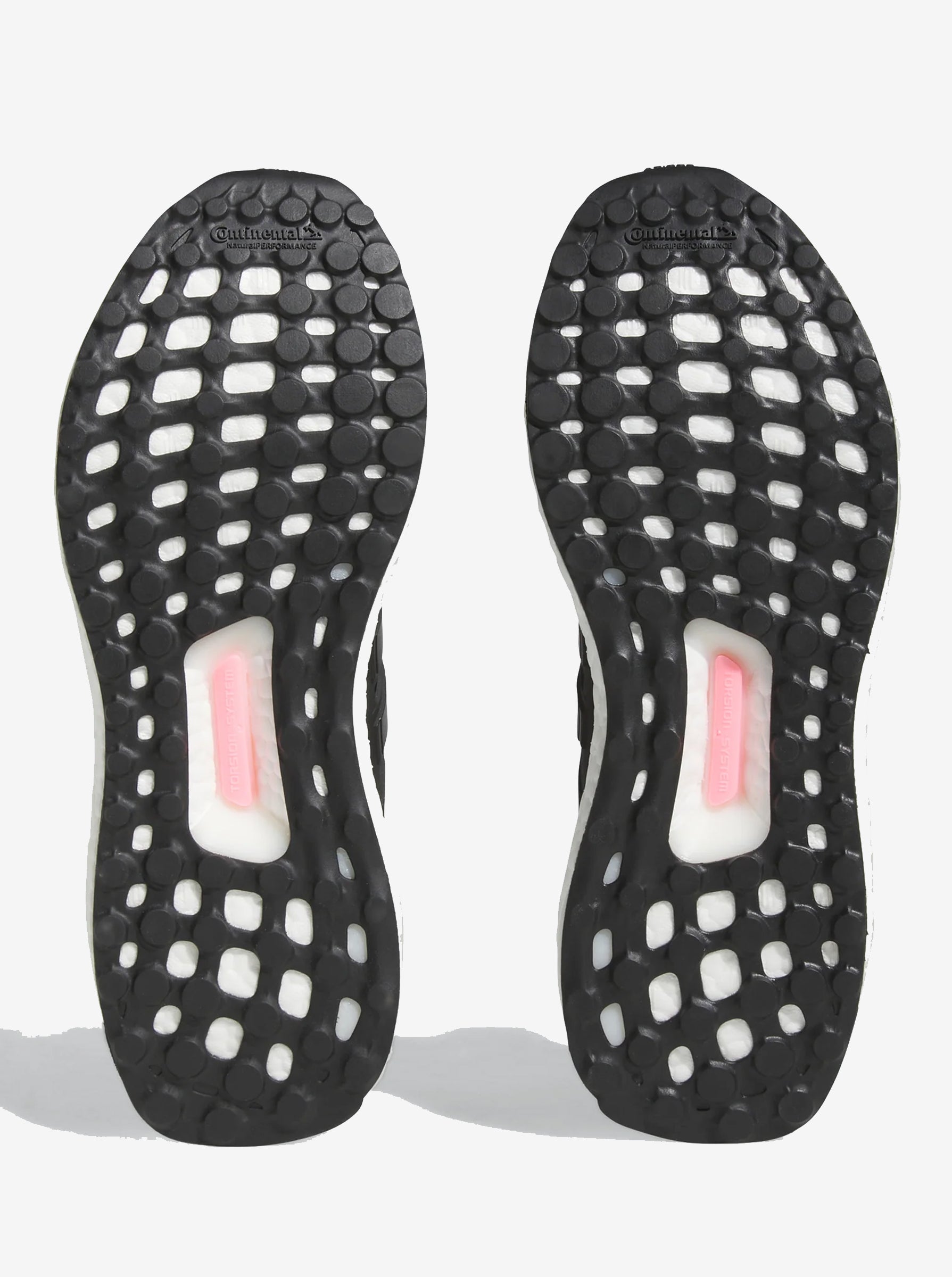
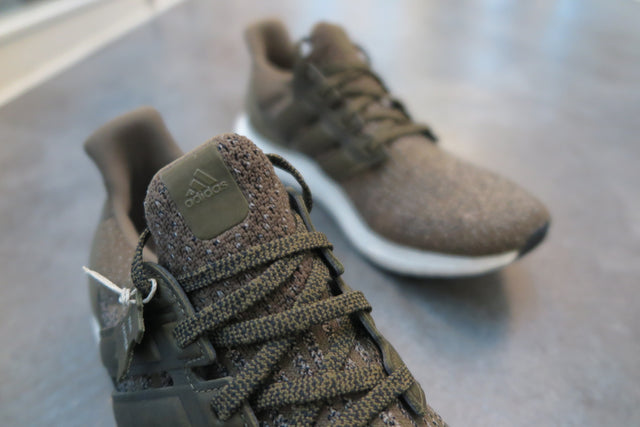
Shop Off White Mens adidas Ultraboost Made to Be Remade 2.0 Running Shoes – Shoebacca
US$ 24.60
Min. order: 1 piece
sold : Login>>
Similar items

Similar items
Similar items
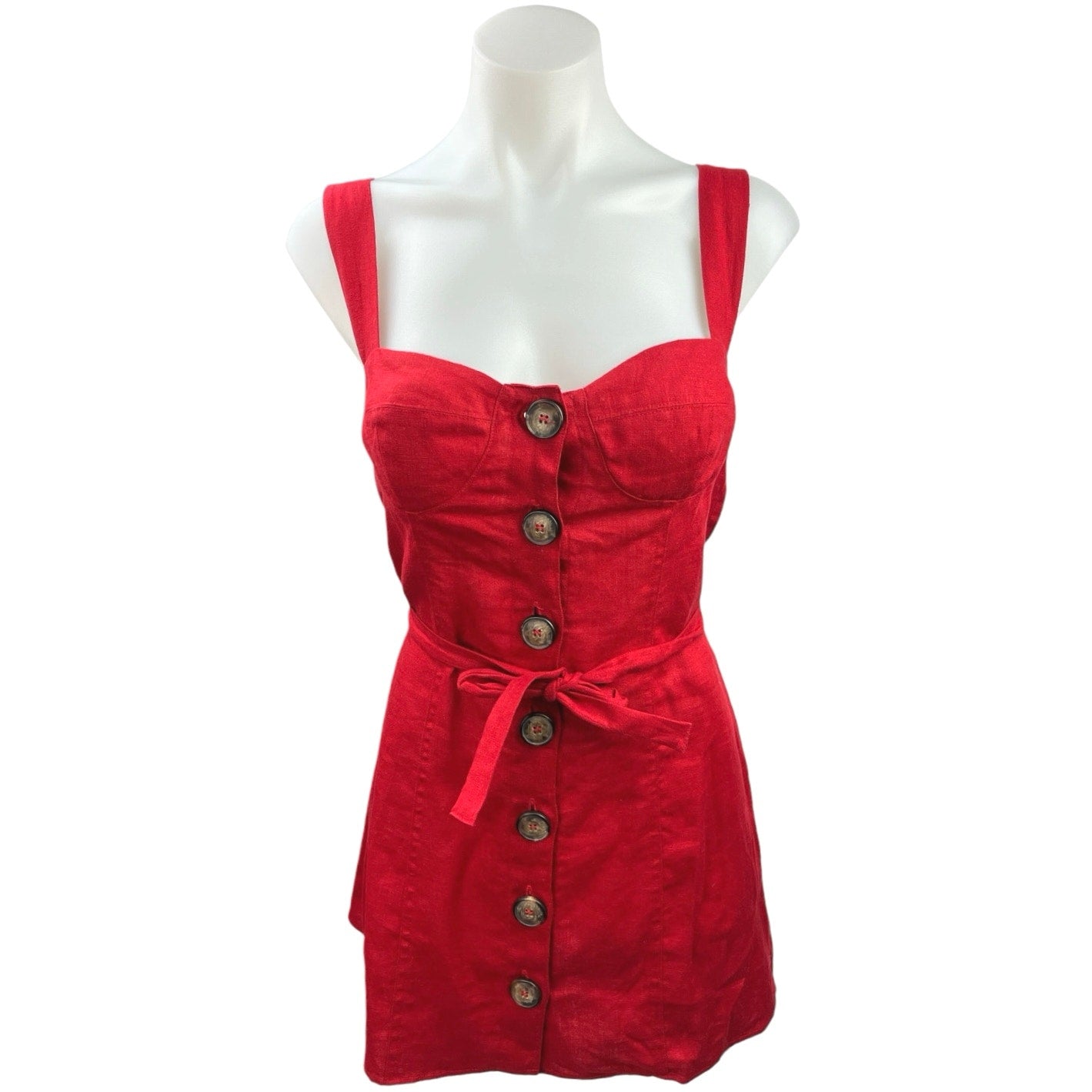
Reformation Red 100% Linen Sweetheart Finn Button Up Tie Waist Mini Dress Size 2
US$ 20.08
Min. order: 1 piece
sold : Login>>